


The rise of mobile business operations has created a new era of flexible work environments. From remote job sites to traveling retail markets, organizations require tools that can adapt quickly. This growing need explains the expanding use of utility trailers, which allow teams to move materials, machinery, and merchandise with ease. Their effectiveness increases when combined with modular structures such as portable buildings, which offer secure, temporary spaces that can be placed nearly anywhere.
Changing Worksite Demands
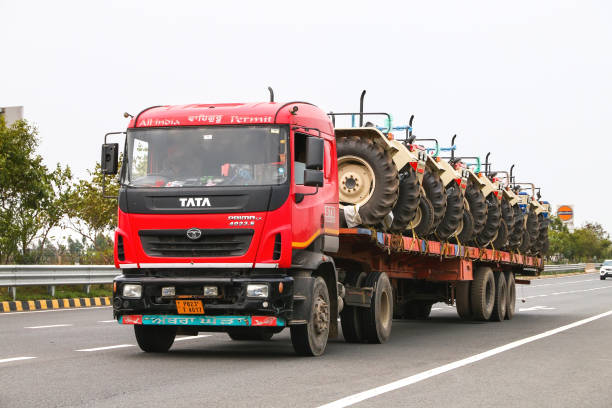
Shifting project requirements often mean businesses must relocate frequently. Traditional structures and heavy transport vehicles can slow productivity, while mobile alternatives offer speed and efficiency. Many professionals rely on utility trailers to keep projects moving by transporting essential equipment. In addition, portable buildings offer convenient workspace or storage that can be positioned right where it’s needed, reducing time spent traveling across locations.
Efficiency in Field Operations
Teams working in remote or temporary environments benefit greatly from these solutions. Field engineers, traveling technicians, and maintenance crews often bring supplies directly to the job using utility trailers. Once on-site, they set up portable buildings as temporary offices, command centers, or secure equipment shelters. This combination minimizes downtime and allows operations to continue smoothly, even in challenging conditions.
Supporting Mobile Retail and Events
Mobile markets have expanded rapidly in recent years. Vendors participating in festivals, trade shows, and community events frequently rely on utility trailers to transport displays, merchandise, and booth materials. Meanwhile, organizers use portable buildings to create ticket stations, administrative rooms, or storage zones. Their adaptability makes event setup quicker and more organized.
Construction and Industrial Applications
Heavy industries depend on reliable transport and on-site protection for valuable tools. Many construction managers use utility trailers to haul generators, building supplies, and mechanical equipment from one area of the site to another. Additionally, supervisors appreciate how portable buildings can serve as meeting rooms, planning stations, or specialized storage. Their ability to withstand demanding conditions adds further value.
Improving Organization and Productivity
Keeping a worksite organized is essential for efficient progress. Tools scattered across a large project area can slow operations significantly. By using utility trailers, teams can consolidate transport and quickly access equipment. Similarly, storing sensitive items inside portable buildings reduces exposure to weather and prevents theft. Together, these tools promote a cleaner and more productive work environment.
Benefits for Homeowners and Hobbyists
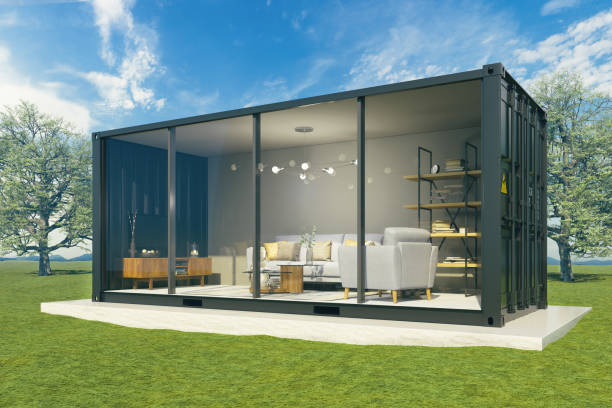
Outside of industrial settings, everyday users find surprising benefits in these mobile solutions. Many homeowners use utility trailers when tackling renovation projects, hauling debris, or transporting large purchases. In parallel, many create backyard workshops or storage spaces using portable buildings to free up garage space and keep items protected. Their flexibility allows property owners to upgrade and rearrange spaces without undergoing permanent construction.
Affordable Long-Term Solutions
Cost savings are often a major reason for choosing mobile setups. Replacing permanent structures with utility trailers or renting trucks repeatedly can become expensive. Meanwhile, using portable buildings offers long-lasting utility without committing to fixed installations. Their durability ensures consistent performance throughout years of use.
Conclusion
The shift toward mobile work environments has transformed how individuals and businesses operate. Whether moving equipment, organizing work zones, or creating temporary offices, utility trailers play an essential role in keeping operations efficient. When paired with the adaptability of portable buildings, they form a complete system that supports productivity, mobility, and long-term value. As industries continue evolving, these flexible solutions will remain key drivers of modern, dynamic workflows.
