



Choosing the right auto mechanic shop and understanding how to work with it effectively can save you time, money, and unnecessary stress. Many drivers only visit an auto mechanic shop when something goes wrong, but building a proactive relationship with a trusted repair facility helps prevent major breakdowns and extends the life of your vehicle. Whether you drive daily for work or rely on your car for occasional travel, knowing what to expect from a professional repair shop empowers you to make informed decisions.
In busy driving environments where traffic, heat, and long commutes are common, regular maintenance and professional oversight become even more important. Drivers seeking dependable las vegas auto repair services often discover that prevention and communication are the keys to long-term vehicle performance.
Understanding the Role of an Auto Mechanic Shop
An auto mechanic shop provides far more than emergency repairs. It acts as a long-term partner in maintaining your vehicle’s safety and reliability. From routine oil changes and brake inspections to engine diagnostics and transmission service, a reputable shop ensures that every system works properly.
A skilled technician evaluates your vehicle as a complete system rather than addressing only surface issues. This holistic approach reduces repeat visits and helps identify potential concerns early. When you treat your auto mechanic shop as a trusted advisor instead of a last resort, you gain consistent support and accurate guidance.
Professional shops invest in updated tools, diagnostic equipment, and ongoing training. This ensures that both traditional mechanical systems and advanced electronic components are serviced correctly.
Communicate Clearly With Your Auto Mechanic Shop
Clear communication plays a major role in successful vehicle repairs. When visiting an auto mechanic shop, describe any unusual sounds, smells, vibrations, or warning lights in detail. Providing accurate information helps technicians diagnose issues more efficiently.
If you notice patterns such as performance changes during acceleration or braking, share that information. The more context you provide, the more precise the repair process becomes.
Reputable shops explain their findings clearly. They review repair recommendations, estimated timelines, and expected costs before beginning work. Open dialogue builds trust and prevents misunderstandings.
Prioritize Preventative Maintenance
One of the most valuable tips every driver should follow is maintaining a regular service schedule. An experienced auto mechanic shop can create a maintenance plan tailored to your vehicle’s manufacturer guidelines and driving habits.
Routine oil changes, fluid checks, tire rotations, and brake inspections prevent small issues from developing into major repairs. Preventative care reduces the risk of sudden breakdowns and increases overall efficiency.
In regions with intense heat and heavy traffic, such as areas where las vegas auto repair services are common, preventative maintenance becomes even more critical. High temperatures place stress on engines, cooling systems, and batteries. Regular inspections help vehicles handle these conditions safely.
Pay Attention to Warning Signs
Ignoring warning signs often leads to costly repairs. Strange noises, dashboard alerts, or changes in vehicle performance should prompt a visit to your auto mechanic shop.
Grinding sounds may indicate brake wear. Overheating can signal cooling system issues. Rough idling might point to engine concerns. Addressing these symptoms early prevents further damage and protects long-term reliability.
A trusted repair facility conducts thorough inspections to determine whether the issue requires immediate attention or routine maintenance.
Ask About Repair Options and Warranties
Drivers should feel comfortable asking questions about repair methods and replacement parts. A professional auto mechanic shop provides clear explanations of available options and discusses the benefits of each.
Understanding warranty coverage for parts and labor offers additional peace of mind. Reputable shops stand behind their work and prioritize long-term customer satisfaction.
Transparency regarding repair procedures and product quality reflects a commitment to professionalism
Keep Service Records Organized
Maintaining detailed service records benefits both vehicle performance and resale value. An organized history demonstrates consistent care and helps technicians identify patterns or recurring issues.
When you return to the same auto mechanic shop regularly, technicians become familiar with your vehicle’s history. This familiarity improves diagnostic accuracy and reduces repair time.
Documentation also proves valuable when selling your vehicle, as potential buyers appreciate evidence of routine maintenance.
Choose a Shop With Advanced Diagnostic Tools
Modern vehicles rely heavily on electronic systems and sensors. A well-equipped auto mechanic shop uses advanced diagnostic tools to identify issues quickly and accurately.
Accurate diagnostics prevent unnecessary part replacements and reduce labor time. Investing in updated technology shows that the shop is committed to efficiency and quality.
Drivers benefit from precise solutions that address root causes rather than temporary symptoms.
Evaluate Customer Service and Reputation
Technical skill is essential, but customer service also matters. A reliable auto mechanic shop values clear communication, timely updates, and respectful interaction.
Reading reviews and seeking recommendations from trusted sources helps identify reputable repair facilities. Positive feedback often reflects consistent workmanship and professionalism.
Shops that build strong community relationships are more likely to prioritize customer satisfaction and long-term trust.
Understand the Value of Local Experience
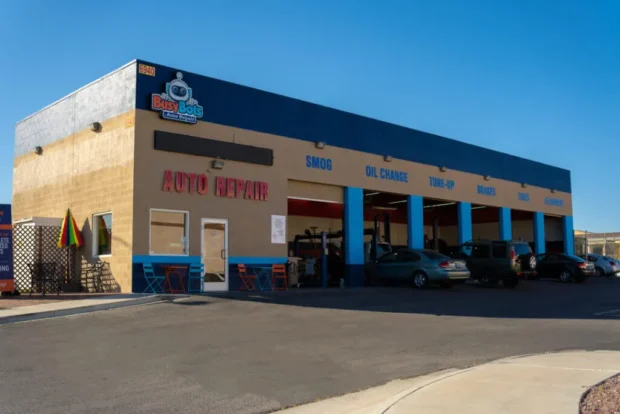
Local knowledge enhances repair quality. For example, drivers searching for las vegas auto repair often face extreme heat that affects cooling systems, air conditioning performance, and battery life.
A shop familiar with these regional challenges can recommend preventative solutions tailored to the climate. This proactive approach ensures vehicles remain reliable even in demanding conditions.
Local expertise strengthens both performance and safety.
Plan Ahead for Long-Term Reliability
Long-term vehicle care requires planning rather than reacting to emergencies. Schedule routine inspections and address minor issues promptly. Develop a relationship with a trusted auto mechanic shop before urgent repairs arise.
Consistent service builds confidence and ensures technicians understand your vehicle’s condition over time. This continuity improves efficiency and reduces unexpected breakdowns.
A proactive mindset protects both your vehicle and your budget.
Conclusion
An auto mechanic shop plays a critical role in maintaining your vehicle’s safety, efficiency, and longevity. By communicating clearly, prioritizing preventative maintenance, and addressing warning signs promptly, drivers can avoid costly repairs and unexpected disruptions.
Whether you require routine service or specialized las vegas auto repair, choosing a reliable and transparent shop ensures consistent performance and peace of mind. Building a long-term partnership with experienced technicians transforms vehicle maintenance from a stressful obligation into a manageable and predictable process.
Understanding these essential tips empowers every driver to make informed decisions and keep their vehicle running smoothly for years to come.
FAQ
Q1: How often should I visit an auto mechanic shop for maintenance?
You should follow your vehicle manufacturer’s recommended service schedule. Regular oil changes, inspections, and fluid checks help prevent major mechanical problems.
Q2: What should I tell my auto mechanic shop when I notice a problem?
Describe any unusual sounds, smells, vibrations, warning lights, or changes in performance. Detailed information helps technicians diagnose the issue more accurately.
Q3: Why is preventative maintenance important at an auto mechanic shop?
Preventative maintenance reduces the risk of breakdowns, improves fuel efficiency, extends vehicle lifespan, and lowers long-term repair costs.
