



A vehicle’s transmission plays one of the most important roles in ensuring smooth driving and long-lasting performance. When it begins to wear out, drivers often experience hesitation, grinding, slipping gears, or difficulty accelerating. These early signs are more than just small inconveniences; they can lead to expensive repairs if not handled quickly. Understanding the basics of car transmission repair can help you take better care of your vehicle and prevent major issues before they occur.
Many drivers think of the transmission as complicated, and while it certainly is a complex component, taking care of it doesn’t have to feel intimidating. With the right knowledge and proactive habits, you can extend your transmission’s lifespan and avoid costly emergencies. Whether you drive daily or occasionally, knowing how to identify, maintain, and protect this essential system will keep your car operating at its best.
Understanding Why Transmission Care Matters
Your transmission manages how power from the engine transfers to the wheels. When it operates efficiently, every shift feels smooth, the engine remains stable, and the vehicle responds easily to your acceleration. If the transmission fails, the entire drivetrain suffers. That’s why prioritizing car transmission repair is one of the smartest decisions you can make as a vehicle owner.
Ignoring unusual sounds, leaks, or warning lights can cause the internal components to deteriorate rapidly. The transmission contains gears, clutches, valves, bearings, and fluid channels that rely on proper lubrication. When something goes wrong, the system becomes stressed and overheats. Addressing these issues promptly not only protects the transmission but also improves the car’s overall safety and efficiency.
Recognizing Early Signs of Transmission Trouble
Knowing the symptoms of transmission problems empowers you to address them early. Drivers often first notice unusual noises like humming, buzzing, or whining. Others notice slow or jerky shifting when moving from one gear to another. These signs are not normal and usually indicate that the transmission fluid is low, contaminated, or failing to circulate properly.
Slipping gears are also an unmistakable signal that you need to consider car transmission repair. When gears slip, the engine revs without producing the acceleration you expect. This is more than a minor annoyance; it increases fuel usage and places stress on the engine. Drivers might also smell something burning, which can mean the transmission is overheating.
Spotting these signs early allows you to take action before the problem spreads. The sooner you respond, the easier and more affordable the repair will be.
The Importance of Using the Right Transmission Fluid
Transmission fluid is the lifeblood of your car’s shifting system. It provides lubrication, manages heat, reduces friction, and keeps internal parts moving smoothly. When the fluid becomes dirty or begins to break down, it can no longer protect the transmission effectively.
Different vehicles require different types of fluid, and using the wrong one can cause significant damage. Manufacturers specify the exact blend your vehicle needs, and following these recommendations ensures that your transmission stays in excellent condition. Fresh, clean fluid supports consistent performance and helps prevent overheating, which is one of the leading causes of transmission failure.
Regular fluid checks can reveal leaks or contamination before they become serious. Proper maintenance helps you avoid major repairs and keeps your car driving smoothly.
Why Timely Repairs Save Money
When transmission problems begin, it’s tempting to wait and see if they improve on their own. Unfortunately, small issues rarely disappear; they usually become more severe over time. Early intervention is a major cost saver in the world of car transmission repair.
Minor repairs, such as replacing a worn seal or fixing a small leak, cost far less than rebuilding or replacing the entire transmission. Acting quickly also protects the engine and drivetrain from unnecessary strain. A transmission that struggles to shift forces other components to compensate, leading to additional wear.
A confident, smooth-running transmission supports better fuel economy as well. When gears engage correctly, the engine doesn’t have to work as hard, which means fewer stops at the fuel pump. All of these benefits contribute to long-term savings and improved vehicle reliability.
The Role of Preventive Maintenance
Preventive maintenance keeps your vehicle running longer and minimizes the risk of sudden breakdowns. Simple habits like checking fluid levels, paying attention to unusual noises, and following your manufacturer’s service schedule help ensure that your transmission stays healthy.
Regular inspections allow technicians to identify wear before it becomes critical. Technicians can look for leaks, test shifting performance, and ensure that internal components are functioning correctly. Preventive care also supports smooth acceleration, consistent power distribution, and a more enjoyable driving experience.
One of the most effective ways to avoid unexpected repairs is to work with a trusted automotive shop. Shops like Universal Motorcars emphasize long-term maintenance solutions and help drivers stay informed about their vehicle’s condition.
Driving Habits That Protect Your Transmission
How you drive affects how long your transmission lasts. Sudden acceleration, aggressive shifting, and towing heavy loads frequently can all strain the system. When the transmission is overworked, it heats up faster and experiences more friction.
Gentle acceleration allows the gears to engage smoothly. Avoiding sudden braking and high-speed driving helps prevent unnecessary pressure on the internal components. Even something as simple as letting your car warm up before driving in cold weather can make a difference in how efficiently your transmission operates.
Treating your vehicle with care reduces long-term repair costs and keeps your transmission functioning properly for years.
How Transmission Care Enhances Overall Performance
A well-maintained transmission improves every aspect of driving. When the system shifts effortlessly, the car responds more quickly, feels more stable, and handles road changes smoothly. Problems like slow acceleration, rough shifting, and uneven power delivery disappear once the transmission receives the attention it needs.
Healthy transmissions also cooperate with the engine more effectively. When both systems operate in harmony, fuel efficiency increases, the engine remains cooler, and wear on connected components decreases. Routine car transmission repair strengthens the entire drivetrain and creates a smoother ride.
Why Professional Diagnostics Matter
Transmission diagnostics require more than just observation. Modern vehicles rely on sensors, computer systems, and internal modules that track shifting performance. When something goes wrong, the car often records fault codes that help technicians identify the issue.
Professional repair shops use advanced diagnostic technology to find the root cause of transmission problems. This ensures that the repair is accurate, efficient, and long-lasting. Proper diagnostics also prevent unnecessary part replacements and save money by targeting the exact issue.
Expert technicians understand the complex interaction between mechanical and electronic components in your transmission. Relying on their expertise is one of the best ways to ensure your repair is done correctly the first time.
The Value of Addressing Additional Damage Early
In some cases, drivers visit a repair shop for transmission issues and discover that other areas of the vehicle also need attention. While the primary focus remains on drivetrain performance, technicians may also notice cosmetic or structural issues that could affect safety.
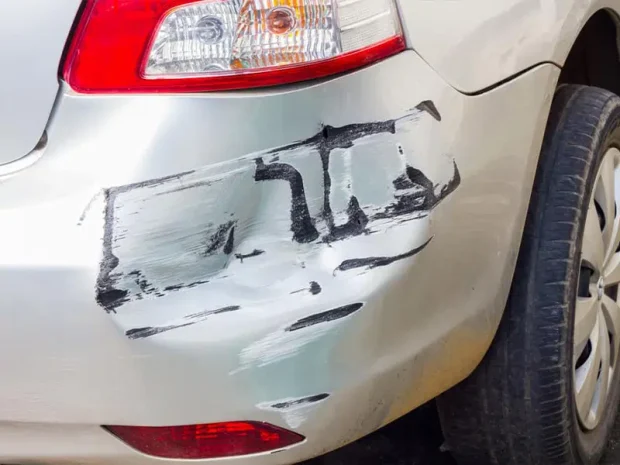
One example is when a driver needs minor exterior restoration. Services such as cracked bumper repair often come up during inspections, especially if the vehicle has been involved in a small collision. Addressing these repairs early helps maintain the vehicle’s value and ensures full road safety.
Minor damages, whether mechanical or cosmetic, tend to worsen if ignored. Handling them promptly prevents more expensive repairs later and keeps your vehicle in strong overall condition.
Extending Your Vehicle’s Life Through Smart Transmission Care
Vehicles last significantly longer when their transmission is well-maintained. As one of the most essential components, the transmission influences fuel economy, engine strain, and driving comfort. When it fails, the entire car is at risk of more widespread damage.
Drivers who invest in regular service, timely repairs, and proper fluid maintenance enjoy smoother performance and fewer mechanical surprises. The vehicle also retains its value far better, making resale easier when the time comes.
Small habits like monitoring fluid levels, listening for strange sounds, and responding promptly to warning lights contribute to a healthier transmission. Combined with professional service, these practices extend your car’s life and minimize long-term repair costs.
Final Thoughts
Understanding the importance of car transmission repair empowers you to take better care of your vehicle. By recognizing early signs of trouble, maintaining good driving habits, and investing in professional diagnostics, you protect the transmission from premature wear. Preventive maintenance and timely repairs save money, improve safety, and enhance overall performance. Even addressing smaller issues such as cracked bumper repair during service visits contributes to long-term value and reliability.
With the right knowledge and a commitment to regular care, every driver can extend the life of their car and enjoy a smoother, safer driving experience for years to come.
