

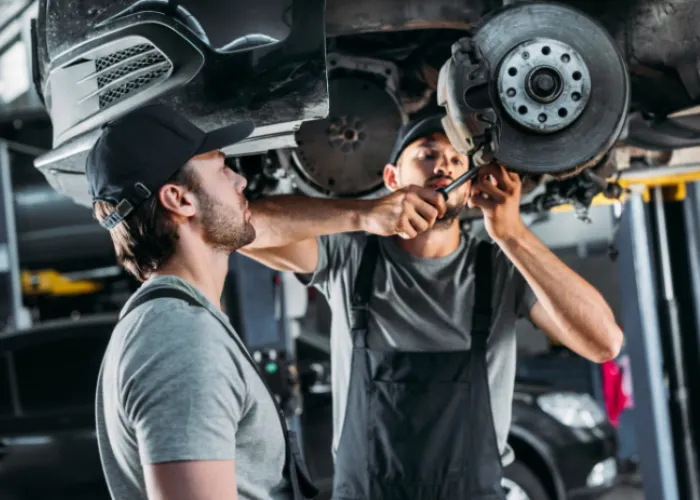

Brakes are one of the most crucial safety features in any vehicle. Yet, they are often overlooked—until they start squealing or worse, fail entirely. Whether you’re cruising the city streets or heading out for a road trip, your car’s braking system should always be in top shape. Regular maintenance isn’t just about safety; it’s also about saving money in the long run. If you’re searching for affordable brake repair, you’re not alone—thousands of drivers wait until it’s too late, turning a small issue into a costly fix.
Let’s dive into why timely brake repair is essential, the signs you shouldn’t ignore, and how regular maintenance can keep both your vehicle and wallet in better shape.
Why Brake Maintenance Matters
Your vehicle’s braking system works hard every time you drive. Over time, the components—like brake pads, rotors, and calipers—wear down due to friction and heat. Ignoring early warning signs can lead to longer stopping distances, potential accidents, and even complete brake failure.
Here’s why staying on top of your brake health matters:
- Safety First: Faulty brakes can dramatically increase the risk of accidents. A car that can’t stop properly endangers not only the driver but everyone on the road.
- Prevent Expensive Repairs: Small fixes like changing brake pads or topping up brake fluid are far cheaper than replacing an entire braking system.
- Vehicle Longevity: Regular brake maintenance extends the life of other connected parts like tires and suspension.
Warning Signs Your Brakes Need Attention
Brake issues don’t always announce themselves loudly at first. Here are some common signs that your brakes might be in trouble:
- Squeaking or Squealing Noises: Often caused by worn-out brake pads. This is usually the first audible sign.
- Grinding Sound: A more severe issue, indicating that metal parts are rubbing against each other.
- Vibrations While Braking: Could be due to warped rotors or uneven brake pad wear.
- Soft Brake Pedal: If the pedal feels spongy or sinks too easily, it could signal a brake fluid leak or air in the brake lines.
- Brake Warning Light: Never ignore this dashboard light—it’s your car telling you something is wrong.
The Importance of Replacing Brake Pads on Time
Brake pads are the unsung heroes of your braking system. They press against the rotors to create the friction needed to stop your car. But they wear out over time and need to be replaced periodically.
Delaying brake pads replacement can lead to:
- Damaged rotors, which are costlier to repair or replace
- Decreased braking performance, especially in emergency situations
- Uneven tire wear, causing further mechanical problems
Most mechanics recommend changing brake pads every 30,000 to 70,000 miles, depending on driving habits and vehicle type. However, always consult your vehicle’s manual for specifics.
How to Keep Your Brakes in Top Shape 
Want to avoid costly repairs and keep your brakes working like new? Follow these maintenance tips:
- Schedule Regular Inspections: Have your brakes checked at least twice a year, or during oil changes.
- Avoid Hard Braking: Sudden stops put extra strain on brake components.
- Use Quality Parts: Don’t cut corners with cheap brake pads—they wear out faster and could compromise safety.
- Pay Attention to Performance: If your car feels different when braking, have it checked immediately.
Choosing the Right Brake Repair Service
Not all auto shops are created equal. Look for repair services that offer:
- Certified and experienced technicians
- Transparent pricing and detailed estimates
- Positive customer reviews and proven track record
- Warranty on parts and labor
In places like Las Vegas, where the desert heat can affect vehicle components, it’s even more important to have a trusted auto repair partner.
Conclusion: Brakes Deserve More Attention Than You Think
Brakes are your car’s most important safety feature, and ignoring their maintenance can lead to serious risks and expensive repairs. By staying alert to warning signs, replacing brake pads on time, and getting professional help when needed, you can ensure your car stays safe and road ready.