

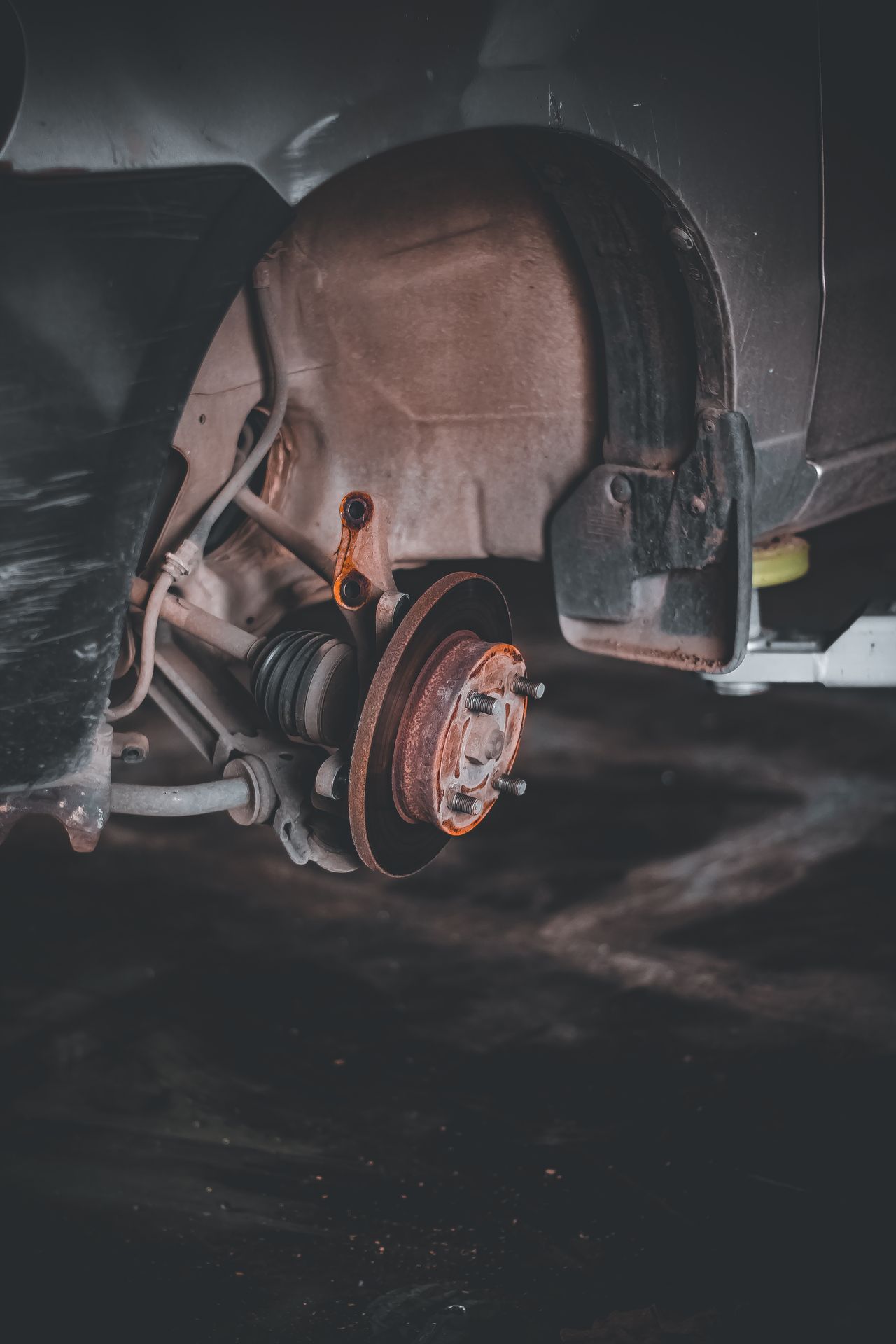

Most drivers don’t think about their brakes until something feels wrong. The good news: your brake system almost always gives you a warning before it fails completely. The key is knowing what each sign means, so you can get affordable brake repair before a $150 fix turns into a $600 one.
Here’s a breakdown of the five most common brake warning signs, what’s likely causing them, and roughly what kind of repair each one usually calls for.
1. Squeaking or Squealing When You Brake
What’s happening: Most brake pads have a small metal wear indicator built in. Once the pad material wears down, that indicator makes contact with the rotor and produces a high-pitched squeal — it’s designed to get your attention.
What it usually means: Your pads are due for replacement, but you likely haven’t caused rotor damage yet.
Typical fix: Pad replacement. This is one of the more affordable brake repairs, especially if you catch it at the first squeak instead of waiting.
2. Grinding Noise When Braking
What’s happening: If the squealing goes unaddressed, the pad material wears away completely, leaving metal backing plates grinding directly against the rotor.
What it usually means: You’re now looking at rotor damage in addition to pad replacement, since metal-on-metal contact scores the rotor surface.
Typical fix: Pad replacement plus rotor resurfacing or, in more advanced cases, rotor replacement. This is the single biggest reason a simple brake job turns expensive — waiting through the grinding stage.
3. Vibration or Pulsing in the Brake Pedal
What’s happening: Uneven rotor surfaces — often from heat warping — cause the brake pads to grip inconsistently as the rotor spins.
What it usually means: Warped rotors, which are common in Las Vegas due to high heat and heavy stop-and-go braking near the Strip and freeway merges.
Typical fix: Rotor resurfacing if the rotor still has enough thickness, or replacement if it’s been machined too many times already. A qualified shop should measure rotor thickness before recommending either.
4. A Soft or Spongy Brake Pedal
What’s happening: Air or moisture has likely entered the brake lines, or brake fluid has broken down from heat and age.
What it usually means: This is a hydraulic issue, not just a wear issue, and it directly affects stopping power.
Typical fix: Brake fluid flush and system bleed, sometimes combined with a check of brake lines and the master cylinder for leaks.
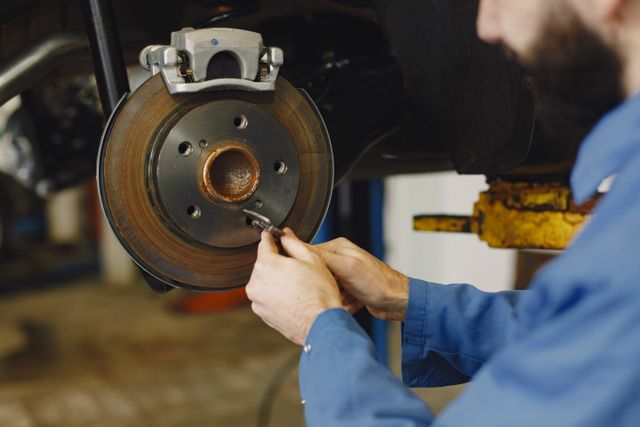
5. Longer Stopping Distance or the Brake Warning Light
What’s happening: This can be a combination of the issues above, or a sign that brake components have worn beyond a safe threshold.
What it usually means: It’s time for a full inspection rather than guessing which component is at fault.
Typical fix: Varies this is exactly why a free brake inspection matters before paying for a repair you may not need.
Why Catching It Early Keeps Brake Repair Affordable
Every stage above builds on the last. Squeaking pads are the cheapest fix on this list; grinding pads that have damaged rotors cost more; and ignored hydraulic issues can affect braking performance across the whole system. The single best way to keep a repair affordable is addressing the first sign instead of the fourth.
Get an Honest Diagnosis Before You Pay for Repairs
If any of these signs sound familiar, Busy Bots Auto Repair offers best brake repair in las vegas. So you know exactly what’s causing the noise or vibration before committing to a repair. Their ASE-certified technicians work on both domestic and import vehicles, offer same-day pad replacement and rotor service, and back qualifying repairs with a nationwide warranty
