

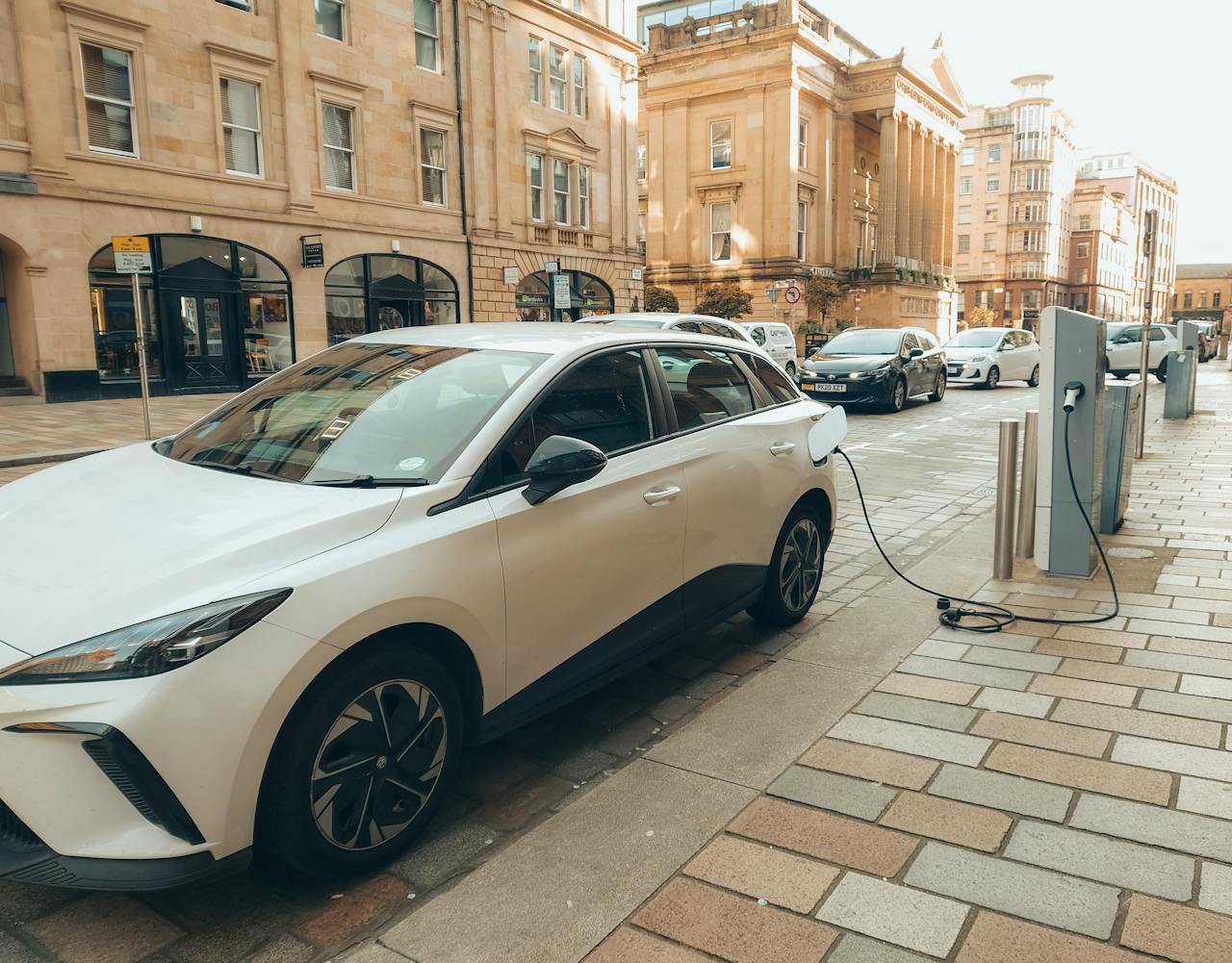

Electric vehicles (EVs) are reshaping the automotive industry, revolutionizing how we think about transportation. With advancements in technology, increasing environmental awareness, and supportive government policies, EVs are not just a trend but a transformative shift in mobility. Here’s a closer look at how electric vehicles are changing the automotive landscape.
Accelerating the Transition to Sustainable Transportation
The rise of EVs is at the forefront of the global push toward sustainability. Traditional internal combustion engine (ICE) vehicles emit greenhouse gases and pollutants, contributing to climate change and poor air quality. EVs, powered by electricity rather than fossil fuels, significantly reduce emissions, especially when charged with renewable energy sources like solar or wind power.
Automakers are increasingly focusing on producing electric models to meet stricter emissions regulations and align with global efforts to achieve carbon neutrality. This shift is making sustainable transportation more accessible and mainstream.
Transforming Vehicle Design and Manufacturing
Electric vehicles are redefining vehicle design by eliminating the need for components like internal combustion engines, exhaust systems, and complex transmissions. This allows for innovative designs, including more spacious interiors, streamlined aerodynamics, and creative use of storage space, such as frunks (front trunks).
On the manufacturing side, automakers are investing in EV-specific platforms and production facilities. Companies like Tesla, Rivian, and Lucid Motors are leading the charge, while traditional manufacturers like Ford and GM are retooling factories to accommodate EV production.
Driving Battery Technology Innovation
The development of advanced battery technology is central to the growth of the EV industry. Lithium-ion batteries, the current standard, are becoming more efficient, affordable, and capable of delivering longer ranges. Innovations like solid-state batteries promise to improve energy density, reduce charging times, and enhance safety.
These advancements are critical for addressing one of the most common concerns about EVs: range anxiety. As battery technology progresses, consumers can expect EVs to travel farther on a single charge and recharge more quickly, making them more practical for everyday use.
Expanding Charging Infrastructure
The expansion of EV charging networks is crucial for supporting widespread adoption. Governments, private companies, and automakers are investing heavily in building fast-charging stations along highways, in urban areas, and at workplaces. Home charging solutions are also becoming more efficient and affordable, making EV ownership more convenient.
Innovative charging technologies, such as wireless charging pads and vehicle-to-grid systems, are emerging to further integrate EVs into the energy ecosystem. These advancements make it easier for drivers to charge their vehicles and reduce reliance on traditional gas stations.
Shifting Consumer Preferences and Market Dynamics
Electric vehicles are influencing consumer preferences, with drivers increasingly prioritizing sustainability, efficiency, and advanced technology. EVs are often equipped with cutting-edge features like autonomous driving capabilities, over-the-air software updates, and customizable digital interfaces.
The shift toward EVs is also altering market dynamics, with new entrants like Tesla challenging traditional automakers. This competition is driving innovation, lowering prices, and expanding the variety of EV models available, from compact cars to luxury SUVs and commercial vehicles.
Creating New Opportunities in Renewable Energy Integration
Electric vehicles are playing a pivotal role in integrating renewable energy into the transportation sector. Many EV owners are pairing their vehicles with solar panels or other renewable energy sources, creating a sustainable ecosystem for powering their cars.
Vehicle-to-grid (V2G) technology is also gaining traction, allowing EVs to store excess energy and feed it back into the grid when needed. This capability positions EVs as not just consumers of energy but active participants in energy management systems.
Reshaping Global Supply Chains
The rise of EVs is transforming global supply chains, with a focus on securing materials like lithium, cobalt, and nickel for batteries. This shift is driving investments in sustainable mining practices and recycling technologies to reduce dependency on raw materials.
Automakers are also building localized supply chains to minimize costs and environmental impact, fostering innovation in battery production and material sourcing.
Inspiring Policy and Regulatory Changes
Governments worldwide are supporting the transition to EVs through policies, incentives, and regulations. Many countries have announced plans to phase out ICE vehicles by specific deadlines, while offering subsidies, tax credits, and rebates to make EVs more affordable.
Investments in research and development, coupled with commitments to building EV infrastructure, are ensuring that the industry continues to grow and evolve.
The Future of Mobility
Electric vehicles are not just changing the automotive industry—they are reshaping how we think about mobility. As technology advances and adoption rates increase, EVs are becoming a central part of a cleaner, smarter, and more efficient transportation ecosystem.