

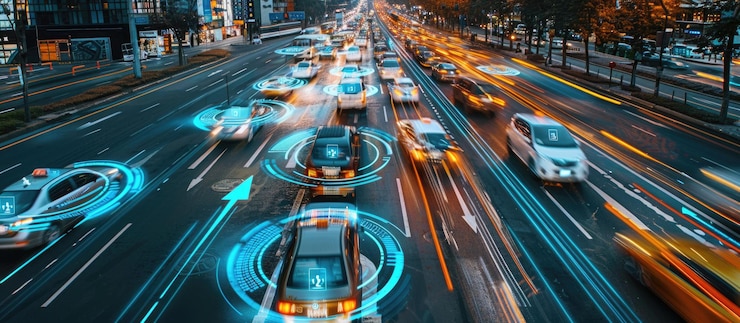

Imagine stepping out your door and summoning a ride, bike, or even a scooter—all with a tap on your phone, all seamlessly connected, and all part of one integrated urban travel system. This is the promise of mobility as a services (MaaS), a revolutionary approach that’s reshaping the way we move around our cities. In the age of smart cities, mobility as a services is more than just a trend—it’s a vision for a cleaner, more efficient, and more accessible future.
What Is Mobility as a Services?
At its core, mobility as a services is about integrating various forms of transportation into a single, user-friendly platform. Instead of juggling multiple apps, tickets, and payment methods for buses, trains, rideshares, bikes, and scooters, MaaS brings everything together. With mobility as a services, you can plan, book, and pay for your entire journey using just one app, making urban travel simpler, faster, and more enjoyable.
This approach is especially powerful in smart cities, where technology and data are used to optimize every aspect of urban life. By connecting different modes of transport, mobility as a services helps reduce congestion, lower emissions, and make cities more livable for everyone.
The Rise of Smart Cities and Integrated Mobility
Smart cities are designed to be responsive, sustainable, and people-centered. They use sensors, data analytics, and digital platforms to improve everything from traffic flow to air quality. Mobility as a services is a key component of this vision, enabling cities to offer residents and visitors a seamless travel experience.
In a smart city, mobility as a services platforms can recommend the fastest, cheapest, or greenest route for your journey. They can adjust in real time to traffic conditions, weather, or special events, ensuring you always have the best options at your fingertips. This level of integration and intelligence is transforming urban travel from a chore into a pleasure.

Benefits of Mobility as a Services
The advantages of mobility as a services are clear and compelling:
- Convenience: No more fumbling for change or juggling multiple apps. With MaaS, your entire journey is managed in one place.
- Cost Savings: By bundling services and offering subscription plans, mobility as a services can make travel more affordable.
- Environmental Impact: Encouraging the use of public transit, bikes, and shared vehicles helps reduce traffic congestion and lower carbon emissions.
- Accessibility: MaaS makes it easier for everyone—including people with disabilities or limited mobility—to get around the city.
How Mobility as a Services Works in Practice?
Let’s say you’re planning a trip across town. With a mobility as a services app, you enter your destination and instantly see all your options: a bus to the nearest metro station, a train to your neighborhood, and a short walk or bike ride to your final stop. You can compare prices, travel times, and even carbon footprints, then book and pay for your entire journey with a few taps.
Some cities are already leading the way. In Helsinki, for example, the Whim app lets users plan, book, and pay for trains, buses, taxis, bikes, and even ferries—all in one place. Similar initiatives are popping up in cities around the world, from Singapore to Los Angeles, as mobility as a services becomes the new standard for urban travel.
Challenges and Opportunities
While mobility as a services offers tremendous potential, it’s not without challenges. Integrating different transport providers, payment systems, and data platforms requires collaboration and investment. Cities must also address issues like data privacy, cybersecurity, and ensuring equitable access for all residents.
But the opportunities far outweigh the hurdles. By embracing mobility as a services, cities can reduce car dependency, improve air quality, and create more vibrant, connected communities. For businesses, MaaS opens up new markets and revenue streams, from subscription models to targeted advertising.
The Future of Urban Travel
Looking ahead, mobility as a services is set to become even more sophisticated. Advances in artificial intelligence, the Internet of Things (IoT), and autonomous vehicles will make urban travel smarter, safer, and more sustainable. Imagine a future where your MaaS app not only plans your journey but also predicts your needs, suggests activities, and even arranges for your groceries to be delivered while you’re out.
In smart cities, mobility as a services will be the glue that holds the urban transport ecosystem together. It will empower people to choose the best way to get around, whether that’s a shared electric scooter, a self-driving shuttle, or a high-speed train.
Join the Movement
Mobility as a services is more than just a new way to travel—it’s a movement toward a smarter, greener, and more inclusive urban future. By embracing MaaS, cities can reduce traffic, cut pollution, and make life better for everyone.
Whether you’re a city planner, a tech enthusiast, or simply someone who wants to get around more easily, mobility as a services has something to offer. It’s time to rethink how we move—and to imagine the possibilities of a truly connected city.