


Here’s a scenario that plays out on construction sites every single week: a crew starts the day, two pieces of equipment are running low on diesel, and somebody has to drive a truck to the nearest fuel station. Then back. Then maybe once more in the afternoon. By the end of the week, that’s four to six hours of labor gone.
Most fleet managers accept this as part of the job. They shouldn’t. A mobile fueling service eliminates that loop entirely, sending specialized delivery trucks directly to your site or yard to fuel equipment, vehicles, and generators on your schedule, not around a gas station’s operating hours.
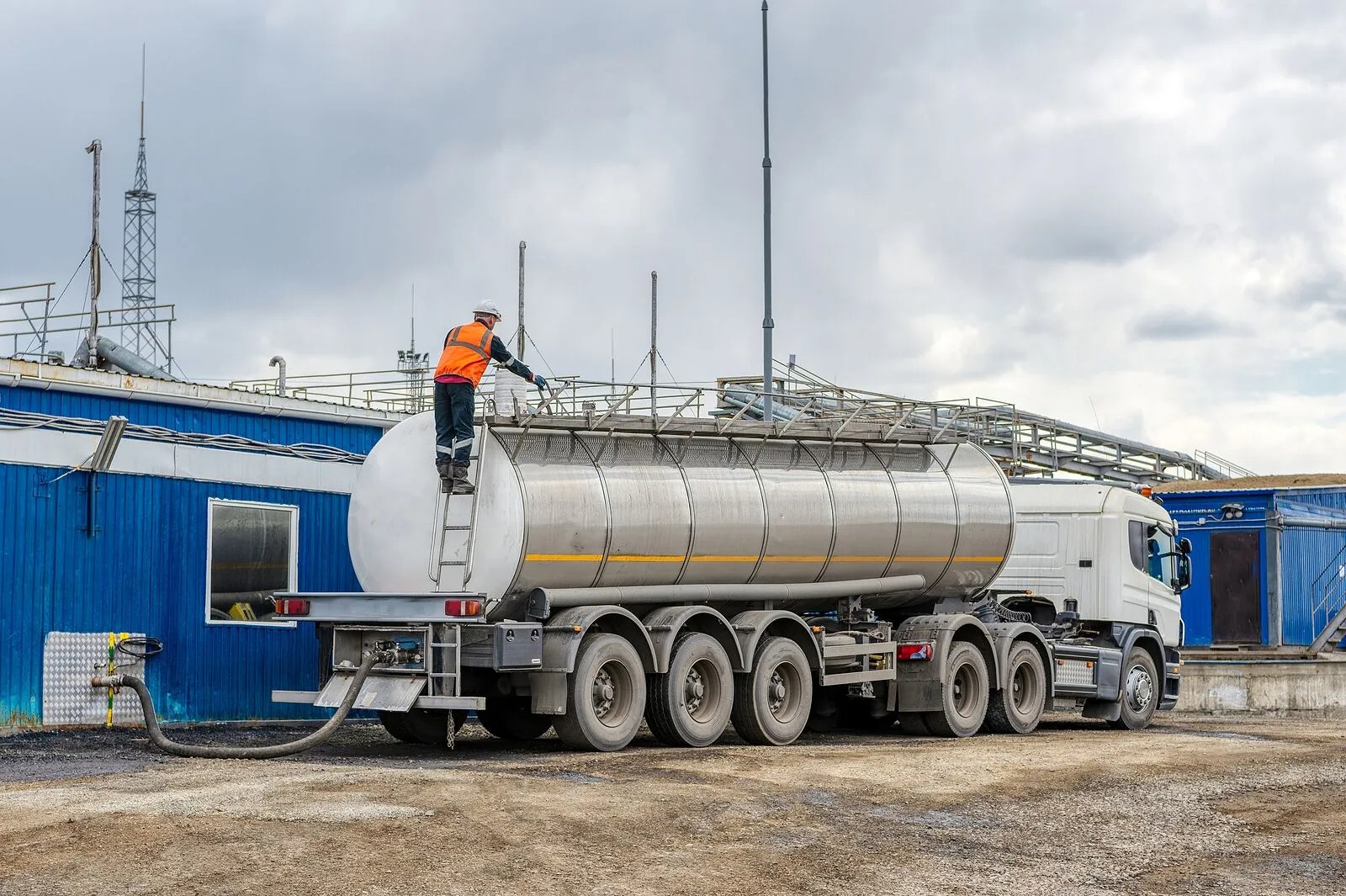
The logistics are straightforward. A smaller tanker truck, typically ranging from 1,000 to 8,000 gallons, arrives at your location and wet-hoses each vehicle or piece of equipment directly. No storage tanks needed. No drivers leaving the site. No fuel card abuse to audit at the end of the month.
What “Wet Hosing” Actually Means
The industry term for mobile fueling is wet hosing, and it’s worth understanding the distinction from standard fuel delivery. Standard fuel delivery fills a storage tank. Wet hosing fills individual machines and vehicles directly, one by one, from the mobile truck.
This matters for a few operational reasons. With wet hosing, every gallon is tracked by vehicle, time, and location. You get a per-unit fuel accountability record, and that is something no fuel card system or shared storage tank can replicate cleanly. Fleet managers who run fuel cards often discover at month’s end that 8 to 12 percent of gallons are unaccounted for. Wet hosing closes that gap because the truck operator physically dispenses to each asset and records it.
Vehicles and Equipment Covered
Wet hosing isn’t limited to semi-trucks. Providers with smaller delivery vehicles (under 5,000 gallons) can reach construction equipment, generators, agricultural machinery, data center backup systems, and utility vehicles on remote sites. If it holds diesel, gasoline, or off-road dyed diesel, it can be wet-hosed.
On-Road vs. Off-Road Diesel in Mobile Fueling
On-road diesel is taxed and legal for licensed vehicles on public roads. Off-road diesel, also called dyed diesel, is untaxed and restricted to non-highway equipment: excavators, generators, farm tractors, forklifts. Using dyed diesel in a road vehicle is a federal violation. A qualified mobile fueling provider separates these clearly, delivering the right product to the right asset. That’s a compliance detail worth confirming with any provider before signing a contract.
Industries That Use Mobile Fueling Most
Not every business needs a daily wet-hosing visit. But certain operations run into fuel logistics problems constantly, and mobile fueling solves each one differently.
Construction
A typical mid-size construction site runs 10 to 30 pieces of diesel equipment simultaneously. Excavators, skid steers, cranes, generators, and light towers all burn fuel at different rates. Scheduling daily or every-other-day wet hosing means zero workers leave the site for fuel runs, and the site supervisor can track consumption by machine, which feeds directly into job costing.
Trucking Fleets and Yards
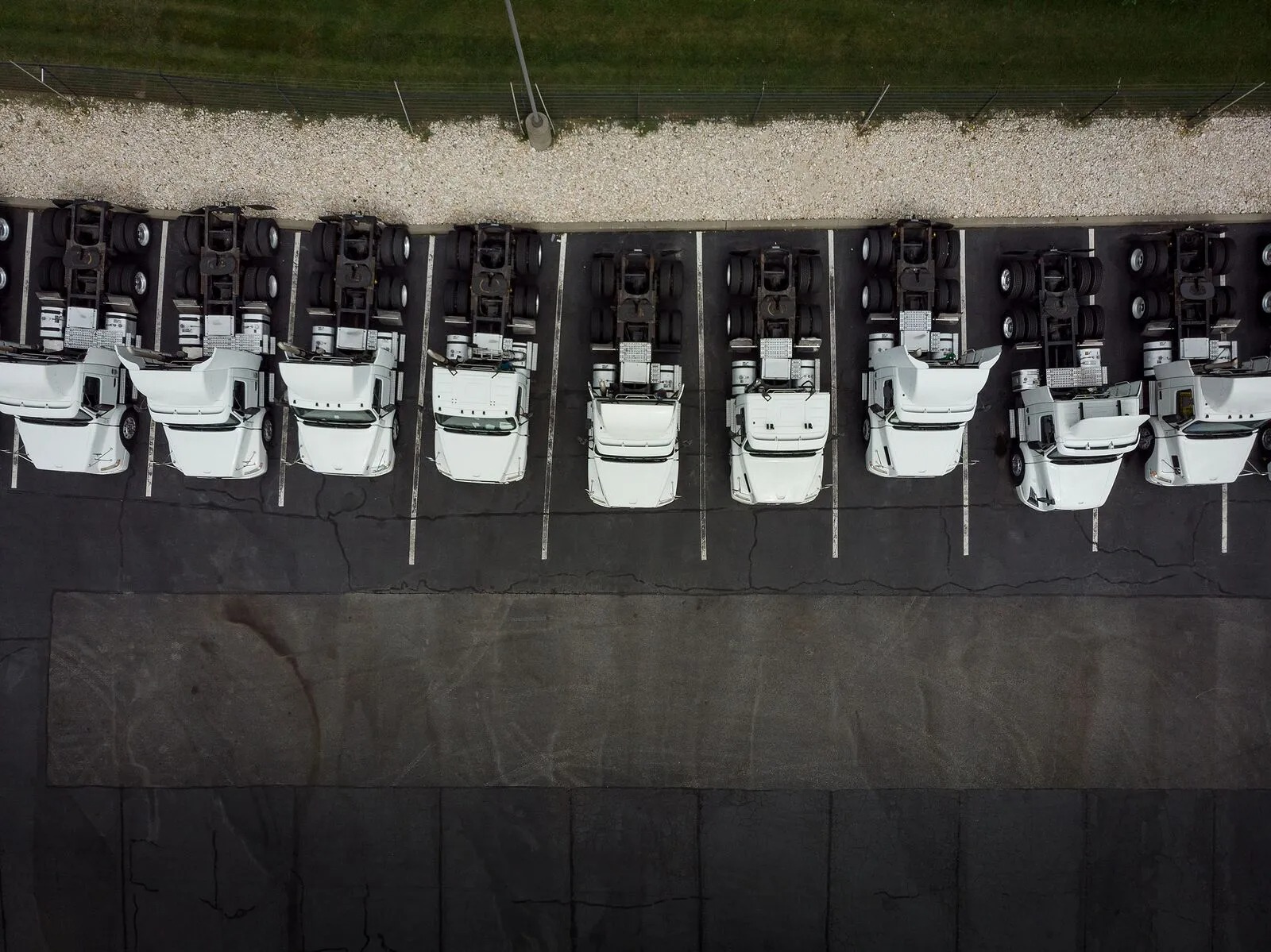
Trucking operations lose significant time when drivers fuel at truck stops. Between waiting in line, parking a semi, and the inevitable detour (coffee, food, extended break), a fuel stop that should take 20 minutes regularly runs 45 to 60. Mobile fueling at the yard, overnight or early morning, means trucks leave full at dispatch time. That’s a measurable schedule improvement for any fleet running tight delivery windows.
Data Centers
Data centers run diesel generators as emergency backup systems. Most facility managers schedule monthly load testing, which burns fuel and requires replenishment. Beyond routine testing, when grid power fails, a data center going dark costs millions, not thousands, per hour. Reliable mobile fuel delivery, with scheduled monitoring and auto-delivery triggers, is a risk management decision as much as a logistics one.
Telecommunications Infrastructure
Cell tower networks depend on diesel generators when grid power goes out. During major storm events, a single provider may need to fuel 100 or more tower sites in 48 hours. That kind of coordinated response isn’t something a local gas station can handle. Mobile fueling providers with regional networks and emergency dispatch capability are essentially critical infrastructure partners for telecom operators.
What to Look for in a Mobile Fueling Provider
This matters more than most clients realize when they’re shopping around. A provider with trucks and fuel isn’t the same as a provider with logistics infrastructure, fuel quality controls, and regulatory compliance built in.
- Fleet size and delivery vehicle range: can they reach your specific site with an appropriately sized truck?
- Fuel accountability: do they track per-vehicle dispensing and provide usage reports?
- Product range: do they carry both on-road diesel, off-road dyed diesel, and gasoline separately?
- 24/7 availability: emergencies don’t schedule themselves. After-hours and weekend delivery capability matters.
- Regulatory compliance: delivery vehicles should have current HAZMAT placarding, and tank trucks must meet EPA secondary containment requirements.
- No-minimum flexibility: smaller sites shouldn’t be forced into large orders they don’t need.
And this is where it gets interesting. The right mobile fueling partner also helps with fuel theft prevention. On-site storage tanks are siphoned regularly on unguarded job sites. Wet hosing removes that vulnerability entirely because there’s no bulk storage sitting unattended overnight.
How Pricing Works
Mobile fueling isn’t priced like retail gas. Pricing typically follows a per-gallon rate that moves with the commodity market, plus a service fee that varies by delivery frequency, distance, and volume. High-volume accounts (fleet operators buying 5,000+ gallons per week) almost always negotiate fixed service fees. Smaller accounts typically pay a per-delivery charge.
One thing that catches clients off guard: off-road diesel is cheaper than on-road by the federal tax differential, currently around $0.24 per gallon. If your equipment qualifies for off-road fuel, that adds up fast on a large construction project. A good provider verifies your eligibility before delivering and documents it properly.
Frequently Asked Questions
Q: What is mobile fueling?
Mobile fueling, also called wet hosing, is a service where a specialized fuel delivery truck comes directly to your location to fill vehicles, equipment, or generators with diesel or gasoline. It eliminates the need for drivers or workers to travel to gas stations.
Q: How does the mobile fueling process work?
You schedule a delivery window with your provider. A mobile fuel truck arrives at your site or yard during that window and fuels each vehicle or piece of equipment directly through a hose from the truck. The operator records gallons dispensed per asset, and you receive a delivery report.
Q: What is the difference between mobile fueling and standard fuel delivery?
Standard fuel delivery fills a stationary storage tank at your location. Mobile fueling fills individual vehicles and equipment directly, one by one, from a delivery truck. Mobile fueling is also called wet hosing. Standard delivery is also called bulk fuel delivery.
Q: Who needs a mobile fueling service?
Construction companies, trucking fleets, data centers, agricultural operations, emergency response teams, and telecom infrastructure managers are the most common users. Any operation where vehicles or equipment burn significant fuel and efficiency loss from fueling logistics is measurable can benefit.
Q: How do I choose a mobile fueling provider?
Look for a provider with 24/7 availability, per-vehicle fuel tracking, coverage in your delivery area, the ability to carry both on-road and off-road diesel separately, and no-minimum ordering. Get clarity on pricing structure (per-gallon rate versus service fee) before committing.
